
Mastering the Craft of Psychological Thrillers

There’s something about psychological thrillers that grabs me by the gut and refuses to let go. The tension, the twists, the mind games - it’s like stepping into a dark maze where every turn could lead to salvation or doom. Writing these stories? It’s an art form that demands more than just a knack for suspense. It requires a deep dive into human psychology, a sharp eye for detail, and the courage to explore the shadows lurking in the human mind.
The Allure of Psychological Thrillers and Notable Thriller Authors
Why do we keep coming back to psychological thrillers? Because they tap into our deepest fears and curiosities. They don’t just scare us with monsters or gore; they unsettle us with the unknown inside ourselves and others. The best psychological thrillers make you question reality, trust, and even your own sanity.
When I think about notable thriller authors, I’m reminded of those who don’t just write stories but create experiences. They build worlds where every character’s motive is a puzzle piece, every scene a ticking clock. These authors understand the delicate balance between revealing too much and keeping readers on edge. They know how to make the ordinary feel sinister and the familiar, foreign.
If you want to explore this craft further, I highly recommend checking out psychological thriller authors. Their work is a masterclass in tension and storytelling that hooks you from the first page.

Building Tension: The Heartbeat of Every Psychological Thriller
Tension is the lifeblood of psychological thrillers. Without it, the story falls flat. But how do you build tension that feels real and relentless?
First, start with your characters. They should be flawed, complex, and unpredictable. When readers can’t quite figure out what a character will do next, the suspense skyrockets. Think about the internal conflicts that can tear a person apart - guilt, paranoia, obsession. These emotions fuel tension like nothing else.
Next, control the pacing. Mix slow, creeping dread with sudden jolts of action or revelation. Use short, punchy sentences to speed up the heartbeat during intense moments. Then, slow down with longer, reflective passages that let the fear sink in.
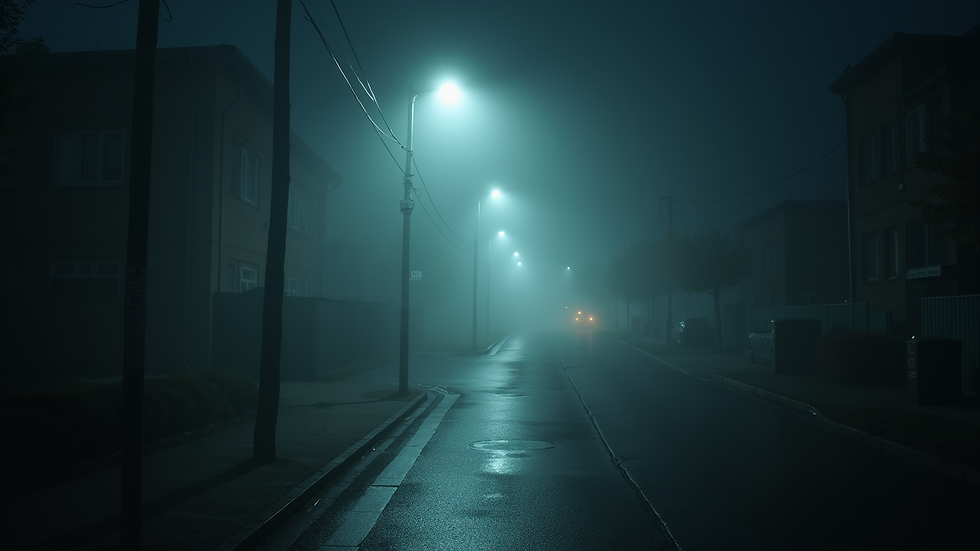
Don’t forget the setting. A claustrophobic room, a foggy street, or an isolated cabin can amplify the feeling of unease. Sensory details are your secret weapon here. Describe the creak of floorboards, the stale smell of a locked room, or the cold bite of night air. These details pull readers deeper into the story’s atmosphere.
Finally, plant seeds of doubt. Let readers question what’s real and what’s imagined. Unreliable narrators, conflicting memories, and hidden motives keep the mind spinning and the pages turning.
What is the Best Psychological Thriller to Read?
Choosing the best psychological thriller is like picking a favorite nightmare - it depends on what chills you the most. But if I had to recommend one, it would be a story that combines sharp psychological insight with a gripping plot and unforgettable characters.
Look for books that don’t just shock but also make you think. The best thrillers linger in your mind long after you’ve closed the cover. They challenge your assumptions and invite you to explore the darker corners of human nature.
Some classics and modern hits stand out because they masterfully blend suspense with emotional depth. They don’t rely on cheap scares but build a slow-burning tension that explodes in unexpected ways. Whether it’s a twisted family secret, a mind-bending mystery, or a battle of wits between hunter and hunted, the best psychological thrillers keep you guessing until the very end.
Crafting Characters That Haunt Your Readers
Characters are the soul of any psychological thriller. They’re not just players in a plot; they’re the reason readers care, fear, and hope. When I write, I focus on creating characters who feel real - with strengths, weaknesses, and secrets that shape their actions.
Start by digging into your character’s psyche. What are their fears? What drives them? What dark corners of their past haunt them? The more layered your characters, the more believable their reactions and decisions will be.
Don’t shy away from moral ambiguity. Characters who blur the lines between hero and villain add complexity and keep readers guessing. Maybe your protagonist isn’t entirely trustworthy, or your antagonist has a sympathetic side. These nuances create emotional tension that’s just as gripping as any plot twist.
Use dialogue and internal monologue to reveal your characters’ inner turmoil. Let readers hear their doubts, rationalizations, and fears. This intimacy draws readers in and makes the suspense personal.
Tips for Writing Psychological Thrillers That Stick
Writing a psychological thriller is a thrilling challenge. Here are some practical tips I’ve learned along the way:
Outline your plot carefully - Know your twists and turns before you start. This helps maintain tight pacing and avoid plot holes.
Focus on the mind games - Psychological thrillers thrive on manipulation, secrets, and unreliable perceptions. Use these elements to keep readers off balance.
Use sensory details - Engage all five senses to create a vivid, immersive experience.
Keep the stakes high - Whether it’s life, sanity, or trust, make sure your characters have something vital to lose.
Edit ruthlessly - Cut anything that slows the tension or distracts from the core story.
Read widely - Study works by notable thriller authors to see how they build suspense and develop characters.
Writing psychological thrillers is about more than just scaring readers. It’s about exploring the human mind’s fragile edges and the darkness that can lurk beneath everyday life. When done right, these stories don’t just entertain - they haunt.

The Power of Storytelling Beyond Thrills
What fascinates me most about psychological thrillers is their power to connect on a deeper level. They’re not just about shocks or scares; they’re about understanding people - their fears, desires, and secrets. This is why I also write children’s books and stories in other genres. Each story, no matter the audience, has the potential to touch hearts and inspire change.
Michael E. Bowers aims to reach readers across genres, from intense psychological thrillers to heartwarming children’s tales. And beyond storytelling, there’s a mission to make a positive impact through charitable donations. It’s a reminder that stories can do more than entertain - they can also give back.
So, whether you’re diving into a dark thriller or a gentle children’s story, remember that every word has power. And mastering the craft of psychological thrillers is just one way to wield that power with skill and heart.



Comments